Minibook SQL
Here you go — same structure, same Markdown, same image placeholders, but fully translated into English:
📘 Minibook: The World of Databases and SQL
Chapter 1: The Big Data Box
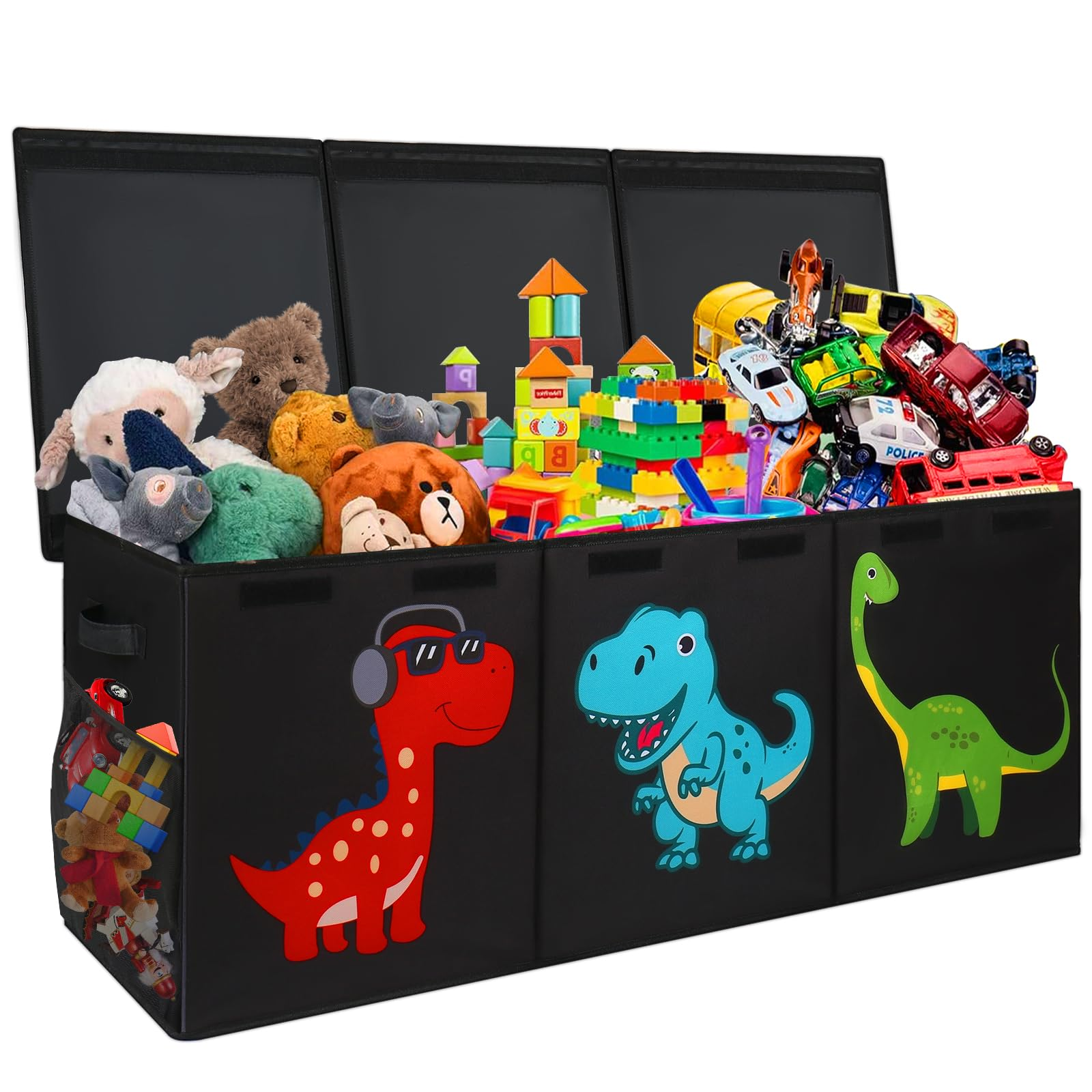
Imagine you have a giant toy box.
- Each toy has a name, a color, and a category (car, doll, puzzle).
- That box is like a database: it keeps everything organized so nothing gets lost.
👉 A database is a place where organized information is stored.
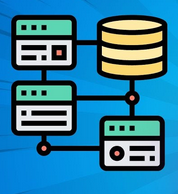
Chapter 2: The Magic Tables
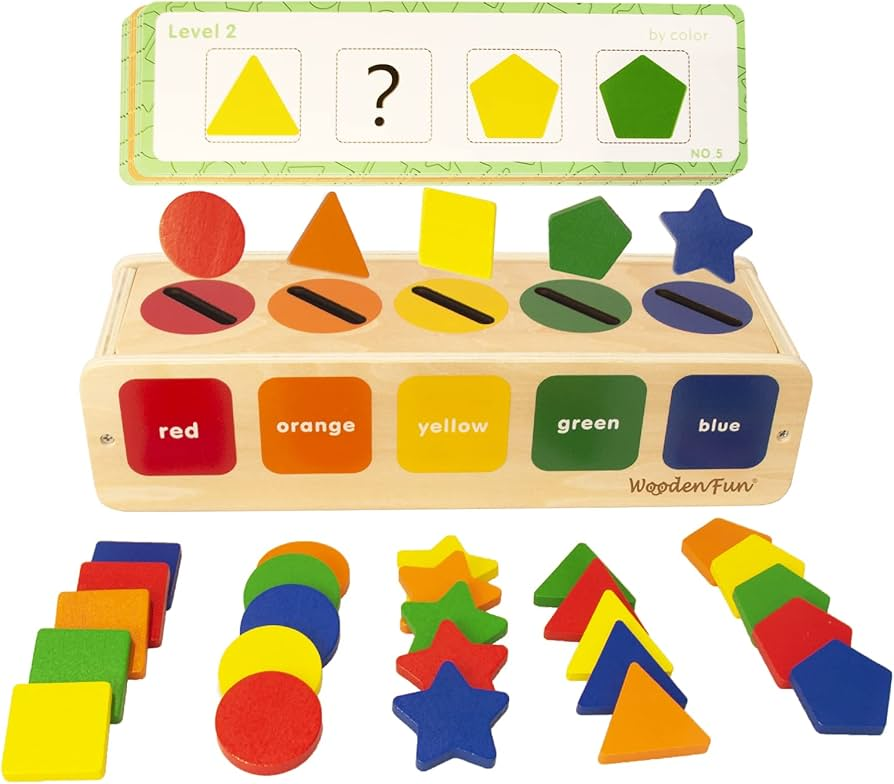
Inside the box, there are lists that look like grid paper.
- Each row is a toy.
- Each column is a characteristic (name, color, type).
👉 We call these lists tables. They are like a notebook with neatly organized data.
Chapter 3: The Secret Language: SQL
Now imagine you want to know:
- “How many red cars do I have?”
- “Which dolls are blue?”
To talk to the box, we use a special language called SQL.
- SQL means Structured Query Language.
- It's like a magic translator that understands your questions and finds the answer in the box.
Chapter 4: The Superpowers of SQL
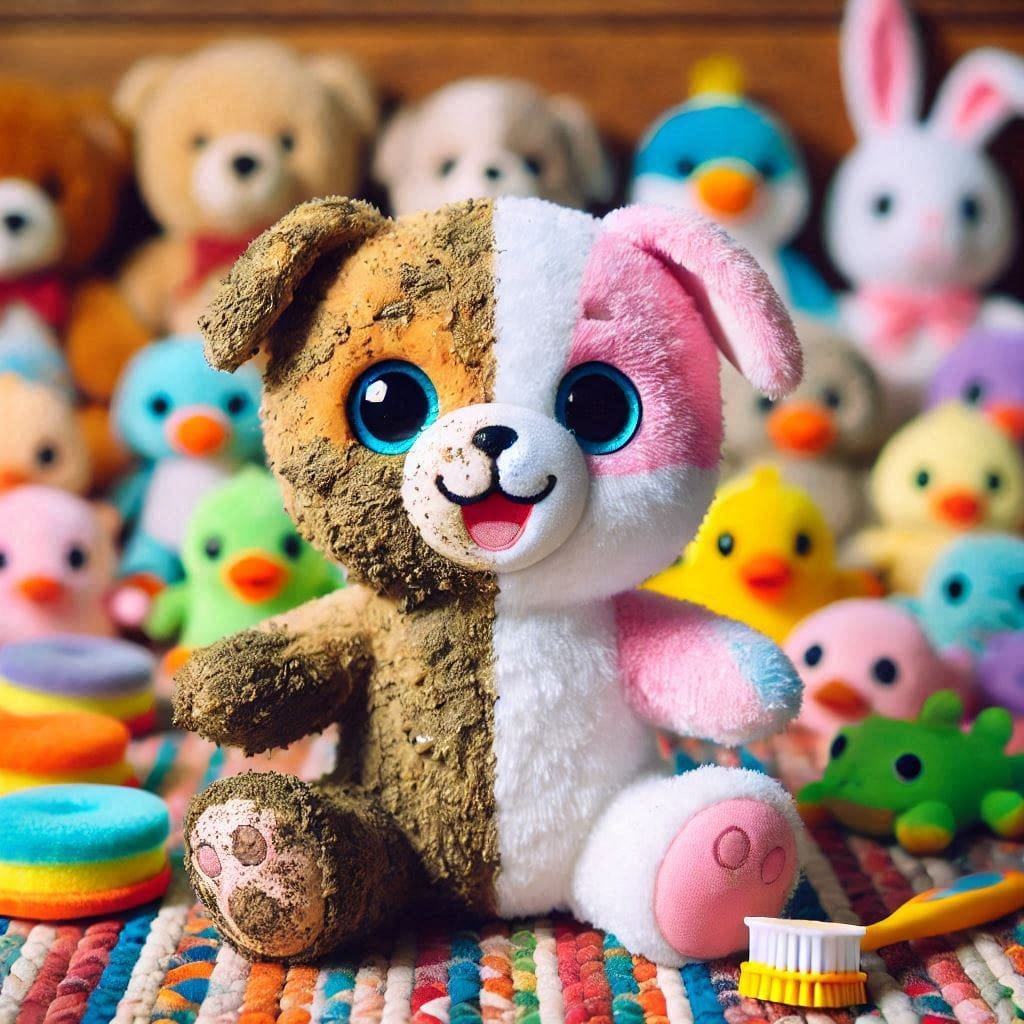
With SQL you can:
- Search (SELECT): “Show me all the red cars.”
- Add (INSERT): “I want to put a new toy inside the box.”
- Change (UPDATE): “This car is no longer blue, now it's green.”
- Delete (DELETE): “Take out the broken puzzle.”
👉 SQL is like having superpowers to control your data box.

Chapter 5: The Special Tricks
- Filters (WHERE): help you choose only what you need.
- Sort (ORDER BY): arranges data from smallest to largest, like organizing toys by size.
- Joins (JOIN): combine two different lists, like joining the toy list with the owners list.
Chapter 6: Why Is It Important?
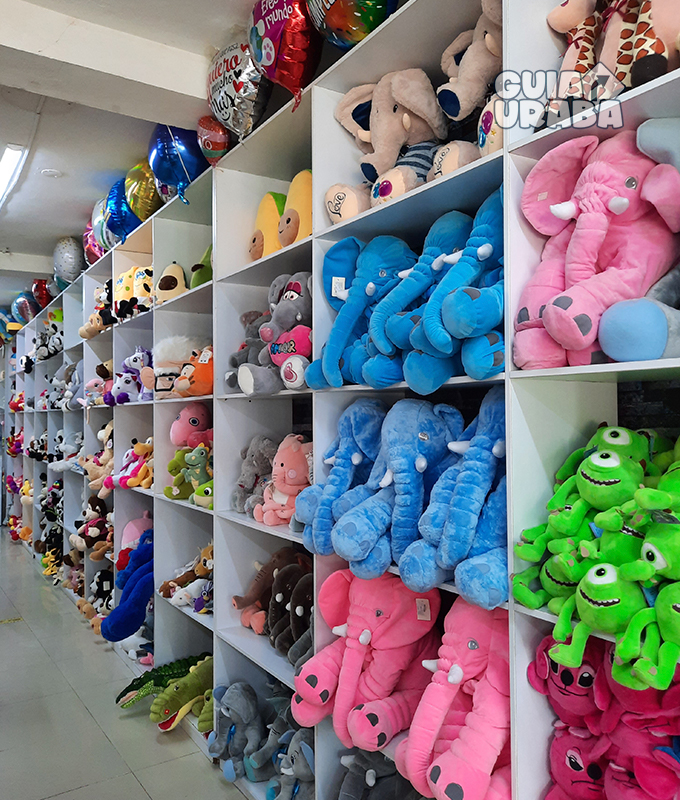
Databases and SQL are used in many places:
- In an online store to know what products are available.
- In a bank to store accounts and money.
- In a hospital to keep patient medical records.
- In a school to register grades and students.
👉 Without databases, information would be disorganized and it would be impossible to find what you need.
Chapter 7: You and Your Data Box
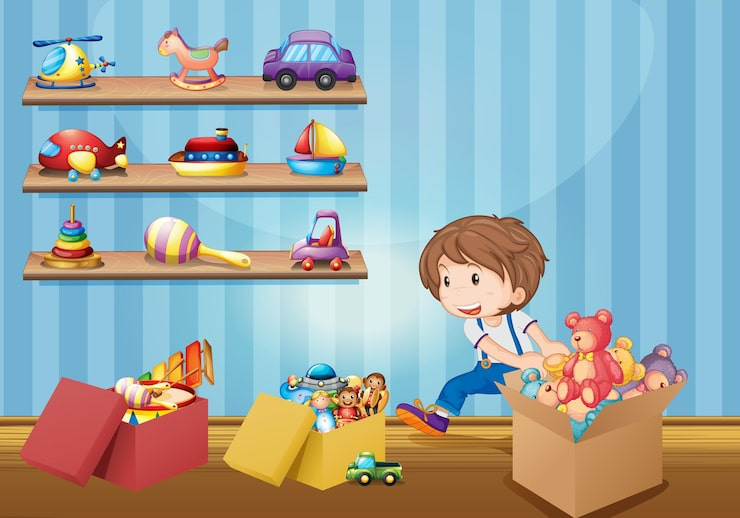
Think about how every time you keep your things organized, you're doing the same thing a database does.
And when you ask something and get a clear answer, you're using the magic of SQL.
Authors
- Luz Stella Vega Carreño
- Serene Toloza Toloza
- Sebastían Valderrama
- Carlos Alexander Forero Calderón
- Pedro Luis Remolina
- Juan Carlos Zuñiga